
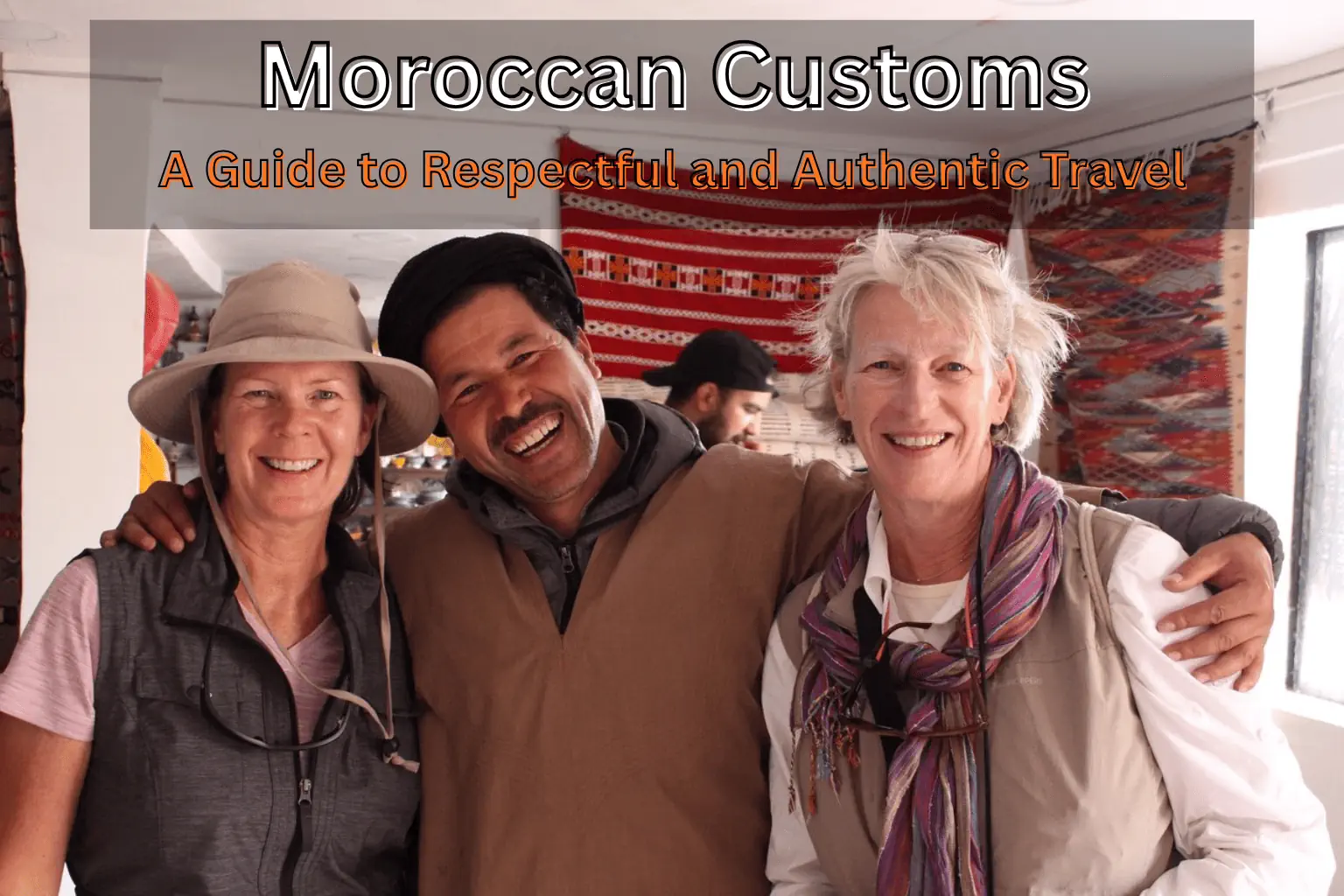
Moroccan Customs in 2025: A Guide to Respectful and Authentic Travel
Imagine wandering through the labyrinthine alleys of Fes el-Bali, the scent of saffron, cedarwood, and exotic spices swirling in the air. Or sipping sweet mint tea on a sun-drenched rooftop in Marrakech as the call to prayer echoes over terracotta rooftops. Morocco isn’t just a destination—it’s a sensory journey into centuries of Moroccan customs, rich traditions, and vibrant culture.
For many travelers, the excitement of exploring Morocco comes with the challenge of navigating its deeply rooted social norms. Without understanding Moroccan etiquette, even small actions—like offering a handshake with the left hand, taking photos without permission, or dressing in ways that clash with local expectations—can unintentionally offend.
This guide goes beyond typical Morocco travel tips. It provides a detailed exploration of Moroccan customs, including social interactions, religious practices, dress codes, dining etiquette, and local traditions. Whether this is your first trip or you’re returning for a deeper cultural dive, following these guidelines will help you avoid common Morocco travel mistakes and allow you to connect meaningfully with locals. By the end, you’ll not only travel safely but also gain a richer, more authentic Moroccan experience.
Table of Contents
- Navigating Social Interactions & Cultural Norms
- Photography & Technology Etiquette
- Practical Tips for Money, Shopping & Transport
- Dress Code, Food & Daily Life
- Accommodation & Planning Your Itinerary
- Conclusion & Final Takeaways
Navigating Social Interactions & Cultural Norms
Understanding Moroccan customs is the cornerstone of respectful travel in Morocco. These traditions are more than formalities—they reflect the country’s values of hospitality, dignity, and communal respect. Travelers who embrace Moroccan etiquette find that locals are incredibly warm, welcoming, and appreciative of genuine curiosity.
Mastering Greetings and Communication
Language is a powerful gateway into Moroccan culture. While French is widely spoken in urban centers and English is common in tourist areas, assuming everyone understands these languages can lead to misunderstandings. Learning a few words or phrases in Darija (Moroccan Arabic) shows respect for Moroccan customs and enhances interactions:
-
Salam Alaikum – Peace be upon you
-
Shukran – Thank you
-
La shukran – No, thank you
Use your right hand for greetings, passing items, or eating, as the left hand is traditionally considered unclean. Adding a small gesture, like placing your hand over your heart after a handshake, signals respect and aligns with Moroccan etiquette.
Public Behaviour and Affection (PDA)
Moroccans are affectionate privately, but public displays of intimacy are limited. Holding hands between couples is generally acceptable in cities, but prolonged hugging or kissing in public can be frowned upon, especially outside urban areas. Understanding these subtleties is part of respecting Moroccan customs and ensures you avoid embarrassing cultural missteps.
Gift Giving and Compliments
Gift-giving in Morocco is guided by tradition and subtle social rules. Over-complimenting a host’s possessions can inadvertently put them in a socially awkward position, as Moroccan generosity may prompt them to offer the item in return.
When invited to a home, small gifts like sweet pastries, loose-leaf green tea, or sugar (used for mint tea) are appreciated. Handmade or overly personal items are generally avoided. Observing these nuances demonstrates awareness of Moroccan etiquette and respect for local traditions.
Understanding Gender Relations
Same-sex hand-holding or arm-in-arm walking is common among men or women in Morocco and has no romantic connotation. Misinterpreting these gestures can lead to confusion for travelers unfamiliar with local customs.
For solo female travelers, modest dress and situational awareness are crucial. Covering shoulders and knees, avoiding walking alone late at night in quiet alleys, and respecting local norms helps minimize unwanted attention while adhering to Moroccan customs. Morocco is relatively safe for women who exercise caution and follow Morocco travel tips.
Photography & Technology Etiquette
In today’s digital age, respecting Moroccan customs extends to photography and technology. What may seem like a harmless snapshot can unintentionally offend locals or even create legal complications. Understanding the rules of photography and digital conduct is essential for every traveler in Morocco.
Taking Photos of People
Always ask for permission before photographing individuals, particularly in rural areas or religious communities. Many Moroccans believe that photos capture part of the soul or violate privacy. A polite question like “Bismillah?” (With your permission?) accompanied by a smile usually suffices.
Street performers in bustling squares like Jemaa El Fna in Marrakech often expect a small payment for photos. Snake charmers, henna artists, and musicians operate on a “tip-for-photo” basis. Clarifying expectations beforehand shows respect for Moroccan etiquette and prevents misunderstandings.
Restricted Subjects
Certain subjects are strictly off-limits for photography. Never take photos of police, military personnel, government buildings, or royal palaces. Morocco enforces these rules seriously for national security reasons. If caught photographing restricted areas, authorities may ask you to delete your images or confiscate your device. Respecting these rules is a fundamental aspect of Moroccan customs and ensures you avoid potential trouble.
Drones
Drones are strictly prohibited for tourist use in Morocco. Importing or flying drones without proper authorization is illegal due to security concerns. Even if you own one, it’s best to leave it at home. Professional filmmakers can obtain permits, but casual drone use is not allowed. Following this guideline reflects both adherence to Moroccan customs and awareness of local laws.
Technology Etiquette Beyond Photography
While smartphones and gadgets are common among travelers, being mindful of their use aligns with Moroccan etiquette. Avoid using loud devices in traditional markets, religious sites, or during communal events. Observing local norms when using technology demonstrates respect and enhances your overall experience in Morocco.
Tips for Travelers:
-
Always ask before taking photos, especially of women, children, or religious ceremonies.
-
Use a discreet camera or smartphone when possible to avoid drawing attention.
-
Avoid live streaming or broadcasting sensitive events without consent.
-
Respect local requests to delete photos or videos.
By following these guidelines, travelers not only avoid common Morocco travel mistakes but also gain deeper insight into Moroccan customs, earning respect from locals and enriching their cultural experience.
Practical Tips for Money, Shopping & Transport
Navigating Morocco’s bustling markets, winding medina streets, and lively transportation hubs is an adventure in itself. However, understanding Moroccan customs and local practices can make these experiences smoother and more enjoyable, while helping you avoid common Morocco travel mistakes.
Bargaining in the Souks
Haggling is an integral part of Moroccan culture and a key aspect of Moroccan etiquette. While it’s expected in traditional markets, it’s not a free-for-all. Start your offer politely, usually around half the initial asking price, and negotiate with a smile. Aggressive or insulting offers can offend artisans, who rely on fair pricing to support their livelihoods.
Tips for Respectful Bargaining:
-
Avoid haggling in fixed-price stores like pharmacies, modern boutiques, or restaurants.
-
Approach bargaining as a friendly interaction rather than a confrontation.
-
Compliment the product before negotiating; it shows respect and appreciation for the seller’s craftsmanship.
Avoiding Scams and Unsolicited Offers
While Morocco is generally safe and locals are welcoming, travelers should be cautious of common scams:
-
Faux guides: Ignore unsolicited offers for directions or tours; they often demand payment afterward.
-
“Free” tea invitations: Accepting such offers can lead to high-pressure sales tactics. Politely decline with a smile and say “La shukran.”
Following these simple precautions aligns with Moroccan customs, showing respect for local culture while keeping you safe and comfortable.
Handling Money and Using Transport
Proper handling of cash and understanding local transportation norms is essential:
-
Cash: Carry small bills (10, 20, 50 MAD). Street vendors, bathroom attendants, and small taxis often cannot provide change for large bills.
-
Taxis: In cities, “petite taxis” (small red or blue cabs) are common. Always insist that the driver uses the meter (compteur, s’il vous plaît). If the meter is “broken,” agree on a fair price before starting the trip. Typical short rides cost 10–20 MAD.
-
Public transport: Buses and trains are convenient, but always keep an eye on belongings, especially in crowded stations.
By understanding and following these Moroccan customs in shopping and transportation, travelers can enjoy a more authentic experience, avoid unnecessary stress, and show respect for local practices.
Bonus Tips for Travelers:
-
Bring a small pouch for coins and bills to make transactions easier.
-
Observe locals in markets to learn bargaining cues and polite ways to decline offers.
-
Be patient and flexible—Moroccan time operates at a relaxed pace, and embracing this mindset is part of respectful travel.
Following these practical tips ensures your interactions in Morocco reflect cultural awareness, safety, and respect, enhancing every moment of your journey.
Dress Code, Food & Daily Life
Daily life in Morocco is full of rituals, traditions, and social norms that reveal the soul of Moroccan customs. Travelers who embrace these practices often find deeper connections with locals and a more enriching experience. Understanding dress codes, dining etiquette, and religious customs is essential to traveling respectfully in Morocco.
What to Wear (and What Not to Wear)
Modesty is a cornerstone of Moroccan customs and is expected in both cities and rural areas. Dressing appropriately is a sign of respect for local culture and helps travelers avoid unwanted attention.
Clothing to Avoid:
-
Crop tops, tank tops, or low-cut tops
-
Shorts above the knee for both men and women
-
Revealing swimwear outside resort beaches
Guidelines for Respectful Dressing:
-
Cover shoulders and knees, especially in medinas, villages, or during Ramadan.
-
Men should avoid walking shirtless or wearing athletic shorts in public areas.
-
Do not wear a headscarf as a fashion accessory while dressed revealingly; it may be interpreted as mocking religious practice.
Following these simple rules demonstrates awareness of Moroccan etiquette and ensures travelers blend respectfully into the local environment.
Food & Dining Etiquette
Food is central to Moroccan customs, and understanding local dining etiquette enhances both the culinary and cultural experience.
Key Dining Tips:
-
Drink only bottled or filtered water; tap water is not safe for tourists.
-
Mint tea is more than a beverage—it’s a symbol of hospitality. Always accept politely and sip slowly, honoring the ritual.
-
When sharing a tagine or communal dish, eat only from the section directly in front of you. Always use your right hand, as the left hand is traditionally considered unclean.
Additionally, it’s polite to compliment the cook or host after a meal, but avoid over-complimenting in a way that may pressure them to offer you gifts. These practices reflect respect for Moroccan customs and local hospitality.
Respecting Religious Practices
Religion plays a central role in Moroccan life, and understanding these practices is crucial for culturally aware travel.
Guidelines for Travelers:
-
Call to Prayer (Adhan): The call occurs five times a day. Instead of viewing it as a disruption, embrace it as a spiritual rhythm that shapes daily life in Morocco.
-
During Ramadan: Many restaurants close during daylight hours, and locals fast from dawn to dusk. Avoid eating, drinking, or smoking in public during this time, as it is considered deeply disrespectful.
-
Mosque Visits: Most mosques are closed to non-Muslims, with exceptions such as Hassan II Mosque in Casablanca. Always verify access before entering.
-
Fridays: This is a holy day in Morocco; expect many shops and businesses to close midday for prayers. Planning your itinerary around this shows respect for Moroccan customs and local routines.
By observing dress codes, dining etiquette, and religious norms, travelers not only avoid common Morocco travel mistakes but also deepen their appreciation for the country’s rich culture and traditions.
Accommodation & Planning Your Itinerary
The way you choose your lodging and plan your itinerary can deeply influence your experience of Moroccan customs. From the type of accommodation to the pace of your journey, every decision contributes to either a smooth, immersive trip or a stressful, rushed one.
Where to Stay
Skip generic hotels and opt for a riad, a traditional Moroccan house with an interior courtyard. Riads often feature stunning zellige tilework, carved cedar wood, and tranquil spaces that provide a peaceful retreat from the bustling medina streets. Staying in a riad allows you to experience Morocco like a local, offering both intimacy and cultural authenticity.
Benefits of Staying in a Riad:
-
Home-cooked meals prepared by hosts who often share insider travel tips.
-
Direct immersion in Moroccan customs, from morning tea rituals to evening courtyard gatherings.
-
Personalized recommendations for markets, restaurants, and cultural experiences.
For travelers seeking luxury, boutique hotels or guesthouses may also provide cultural immersion while offering modern comforts. When booking, consider proximity to medinas, local attractions, and public transportation.
Pacing Your Trip
Embrace “Moroccan time”, a flexible approach to schedules. Trains may run late, appointments shift, and “Inshallah” (God willing) governs the flow of daily life. Overplanning can lead to stress, so it’s better to build buffer time and remain flexible.
Tips for Respectful and Enjoyable Pacing:
-
Allow extra time when traveling between cities or regions. Moroccan roads and transportation often require patience.
-
Balance sightseeing with cultural immersion—spend time in souks, attend local festivals, or join a cooking class to understand daily life.
-
Don’t rush meals or experiences; savor the pace and atmosphere to truly appreciate Moroccan customs.
Exploring Beyond Marrakech
While Marrakech is a must-see, limiting your trip to just one city will give you a narrow view of Moroccan life. To fully understand Moroccan customs and cultural diversity, explore other regions:
-
Fes: Known as the spiritual and intellectual heart of Morocco, with its medieval medina, traditional tanneries, and artisan workshops.
-
Essaouira: A coastal gem with Portuguese architecture, vibrant markets, and a laid-back atmosphere.
-
Merzouga: Gateway to the Sahara Desert, perfect for camel treks, sand dune experiences, and star-filled nights.
-
Chefchaouen: The “Blue City” in the Rif Mountains, famous for its picturesque streets and serene environment.
Traveling beyond Marrakech allows you to experience the wide range of Moroccan customs, from desert hospitality to coastal traditions, giving your journey depth and authenticity.
Final Takeaways for Accommodation & Itinerary
-
Choose lodgings that immerse you in Moroccan customs rather than just offering convenience.
-
Plan your trip flexibly, respecting local rhythms and seasonal events.
-
Explore multiple regions to gain a holistic understanding of Moroccan culture.
By combining thoughtful lodging choices with flexible itineraries, travelers can fully embrace Moroccan customs, enjoy safer and more respectful interactions, and create unforgettable memories.
Conclusion & Final Takeaways
Traveling through Morocco is more than sightseeing—it’s a journey into a culture where hospitality is sacred, traditions are lived daily, and respect opens doors to authentic experiences. By understanding Moroccan customs, you not only avoid common Morocco travel mistakes, but also transform from a casual tourist into an honored guest in homes, markets, and medinas across the country.
Key Reminders for Respectful Travel
-
Greetings: Always use your right hand and learn a few basic Darija phrases, such as Salam Alaikum (hello) and Shukran (thank you).
-
Dress Modestly: Cover shoulders and knees; modest attire is essential, particularly in rural areas, religious sites, and during Ramadan.
-
Photography Etiquette: Always ask for permission before taking photos, respecting privacy and cultural beliefs.
-
Bargaining: Haggle fairly and politely in souks; avoid aggressive or insulting offers.
-
Embrace Local Rituals: Accept mint tea invitations, respect fasting during Ramadan, and appreciate the rhythm of “Inshallah” (God willing).
Above all, lead with kindness, humility, and genuine curiosity. Moroccans value sincerity over perfection, and a respectful smile, thoughtful gesture, or polite question can open doors to deeper connections and lasting memories.
Join the Community
Have your own Morocco travel tips or questions? Share them in the comments below! Your insights help fellow travelers navigate this magical country gracefully while adhering to Moroccan customs.
Related Guides to Enhance Your Journey
-
A Detailed 7-Day Morocco Itinerary – Plan your trip strategically while experiencing authentic customs.
-
What to Wear in Morocco: Seasonal Packing List – Ensure respectful and comfortable attire.
-
Guide to Shopping in the Souks: From Tagines to Textiles – Navigate local markets with confidence and respect.🇲🇦

