

Ramadan Travel in Morocco 2025: Travel Tips and Insights
Ramadan Travel in Morocco is a journey into the heart of spirituality, culture, and timeless Moroccan traditions. As the sun gently dips below the majestic Atlas Mountains, the call to prayer reverberates through the ancient medinas, and for a fleeting moment, the entire country seems to exhale in unison. Streets that were silent just minutes before suddenly awaken, alive with the clinking of teacups, the fragrant aroma of spiced harira soup simmering in kitchens, and the joyful chatter of families preparing for iftar. Experiencing Ramadan Travel in Morocco is not merely sightseeing—it is a profound transformation, a chance to immerse yourself in the rhythm of Moroccan life during its holiest month.
Should you plan a visit to Morocco during Ramadan? The answer is an emphatic yes—provided you approach it with respect, patience, and an open heart. This period is not for poolside cocktails, nightclubs, or the typical tourist hustle. Instead, it is a rare opportunity to witness Morocco’s soul: a country where spirituality, community, and cultural heritage intersect in ways that are deeply moving and unforgettable. Engaging in Ramadan Travel in Morocco allows travelers to see the authentic heartbeat of Moroccan society, from quiet predawn prayers to the lively streets that erupt at sunset.
Having lived and traveled extensively in Morocco across multiple Ramadans—from the lantern-lit alleyways of Fes to the moonlit courtyards of Marrakech riads—I have observed firsthand how this sacred month reshapes the daily rhythm of life. Markets open later, streets remain quieter during the day, and families gather for long, elaborate meals after sunset. Through Ramadan Travel in Morocco, visitors can experience not only the spiritual practices but also the intimate moments of generosity and hospitality that define Moroccan culture.
What is Ramadan? A Quick Guide for Travellers
Ramadan Travel in Morocco begins with understanding the essence of Ramadan itself. Ramadan is the ninth month of the Islamic lunar calendar and represents the holiest period in the Muslim faith. It commemorates the revelation of the Quran to the Prophet Mohammed and is observed by over 1.8 billion Muslims worldwide—including nearly all of Morocco’s 37 million residents. For travelers engaging in Ramadan Travel in Morocco, knowing this background is essential to fully appreciate the spiritual atmosphere and cultural practices that shape daily life during this sacred month.

Fasting during Ramadan, known as Sawm, is one of the Five Pillars of Islam and is considered a core religious duty for able-bodied Muslims. From dawn (Fajr) until sunset (Maghrib), observers abstain from food, drink (even water), smoking, intimate relations, and negative thoughts or behaviors. The purpose of fasting extends beyond physical restraint; it is aimed at spiritual purification, cultivating empathy for the less fortunate, and enhancing devotion through prayer, charity (Zakat), and personal reflection. Engaging in Ramadan Travel in Morocco offers visitors a rare window into how these daily practices influence the rhythm of Moroccan life, from quiet mornings to lively evenings filled with communal meals.
Fasting Exemptions and the Communal Spirit
Not everyone is required to fast. Exemptions are granted to children, the elderly, travelers (although many still choose to fast), and individuals who are ill, pregnant, nursing, or menstruating. As a non-Muslim tourist, you are not expected to fast—but observing respect for those who do is an important part of Ramadan Travel in Morocco. Simple gestures, such as avoiding eating in public during daylight hours, show cultural awareness and foster positive interactions with locals.
The communal spirit is at the heart of Ramadan in Morocco. Families gather before dawn for Suhoor, the pre-fast meal, while neighborhoods buzz with anticipation as sunset approaches. Generosity flows freely through acts like sharing food with neighbors or offering charity. For travelers, understanding these dynamics is the first step toward a meaningful Ramadan Travel in Morocco experience, allowing deeper connection to the culture and its traditions.
Ramadan 2025 in Morocco: Key Dates and Times
For travelers planning Ramadan Travel in Morocco, knowing the dates and timing of Ramadan is essential for a smooth and respectful experience. While exact dates shift each year due to the Islamic lunar calendar, Ramadan 2025 in Morocco is expected to begin around March 1 and conclude on March 29, with Eid al-Fitr—the joyous festival marking the end of fasting—likely falling on March 30. These dates provide an approximate framework for planning trips, booking accommodations, and scheduling activities that align with the local rhythm of Ramadan.

It is important to note that the official start of Ramadan depends on the moon sighting, as confirmed by Morocco’s Ministry of Endowments and Islamic Affairs. Google calendars and other online sources may be off by a day or two, so travelers engaging in Ramadan Travel in Morocco should always verify dates locally upon arrival. Planning with flexibility ensures you can fully enjoy the experience without missing important cultural moments.
Another distinctive aspect of Ramadan Travel in Morocco is the country’s temporary adjustment of its official time. Morocco reverts to standard time (GMT+0) during Ramadan, effectively “springing back” one hour. This change slightly shortens the fasting day and provides relief for worshippers, especially during long spring or summer hours. After Eid, clocks return to summer time (GMT+1), restoring the regular schedule.
Eid al-Fitr, marking the end of Ramadan, is a national holiday celebrated with new clothes, family gatherings, traditional sweets, and charitable giving. While it is visually and culturally spectacular, it is not necessarily the best time for travel. Most businesses close, transportation slows, and streets are filled with local celebrations. Travelers experiencing Ramadan Travel in Morocco should plan around Eid festivities to avoid logistical challenges and to witness the celebrations respectfully.
The Daily Rhythm: What to Expect Day vs. Night
During Ramadan Travel in Morocco, the country’s daily rhythm transforms dramatically. Morocco’s pulse beats to a different drum during this sacred month, dividing life into two distinct worlds: the calm, reflective daytime and the lively, festive nighttime. Experiencing both is essential for understanding the full cultural and spiritual depth of Ramadan Travel in Morocco.
Daytime: Quiet, Contemplative, Slower
Mornings in Morocco during Ramadan are serene and slow-paced. Many locals stay up late for prayers and social gatherings, so shops, cafes, and even some tourist attractions often open later than usual—sometimes not until 10:00 AM or even noon. Government offices and banks also operate on reduced hours, typically from 9:00 AM to 2:00 PM. Travelers participating in Ramadan Travel in Morocco should plan their daytime activities accordingly.
Life moves more gently, and it’s common to notice a slower tempo and occasional fatigue or short tempers among those fasting for 12–14 hours in springtime heat. Patience, understanding, and empathy go a long way in making your interactions smoother and more respectful. The hour before sunset is particularly important: streets rapidly empty as families hurry home for iftar, traffic peaks, and public transport becomes crowded. Avoid scheduling transfers or tours during this time to ensure a stress-free experience during Ramadan Travel in Morocco.
Nighttime: Festive, Lively, Magical
At sunset, a cannon or siren, traditionally fired from mosques such as Koutoubia in Marrakech, signals the breaking of the fast. Within minutes, cities awaken in celebration. After iftar and Maghrib prayers, Moroccans head out for Tarawih—special nightly prayers—before socializing in squares, cafes, and souks. In places like Jemaa el-Fnaa in Marrakech, the atmosphere transforms into a near-carnival scene, with food stalls, musicians, and storytellers filling the streets.
This nocturnal energy can last until 2:00 AM or later. Light sleepers may want to pack earplugs, especially if staying in traditional medina riads. Experiencing the night rhythm is a key aspect of Ramadan Travel in Morocco, offering travelers a glimpse of the joyful communal life that defines the holy month.
Essential Etiquette for Non-Muslim Tourists: Showing Respect
Respect is the golden rule for anyone engaging in Ramadan Travel in Morocco. Observing local customs not only ensures a smoother visit but also opens doors to meaningful cultural experiences. Understanding and following basic etiquette is essential for building genuine connections with Moroccan hosts and communities during the holy month.
Eating, Drinking, and Public Behavior
During daylight hours, avoid eating, drinking, smoking, or chewing gum in public. While these actions are not illegal for tourists, they are considered deeply disrespectful. Travelers engaging in Ramadan Travel in Morocco should plan to use hotel rooms, private accommodations, or designated tourist restaurants, many of which discreetly indicate that they serve non-fasters. Being mindful of public behavior demonstrates cultural awareness and appreciation for the spiritual significance of fasting.
Dress and Modesty
Dressing modestly is another important aspect of Ramadan Travel in Morocco. Both men and women should cover shoulders and knees. Loose, breathable fabrics are ideal for the warm spring days, ensuring comfort while respecting local norms. Modesty is not just a guideline—it reflects a broader understanding of Moroccan values during Ramadan and shows consideration for those observing the fast.

Social Interactions
Avoid public displays of affection and loud conversations, especially near mosques, religious sites, or residential areas. Greet locals warmly with phrases such as “Ramadan Mubarak” (Blessed Ramadan) or “Ramadan Kareem” (Generous Ramadan). Travelers practicing Ramadan Travel in Morocco will often receive a smile, nod, or even an invitation to share tea or join an iftar, creating opportunities for authentic cultural immersion.
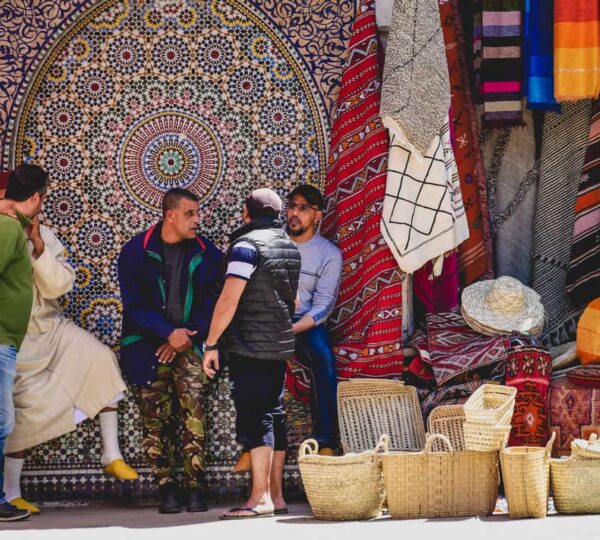
These small acts of mindfulness can have a big impact. Many Moroccans welcome respectful visitors into their homes or offer guidance during Ramadan. Observing etiquette allows travelers to witness the holy month up close, providing one of the most authentic experiences possible during Ramadan Travel in Morocco.
Food & Drink During Ramadan: A Culinary Adventure
One of the most exciting aspects of Ramadan Travel in Morocco is the culinary experience. Will you go hungry? Absolutely not. While many local eateries close during the day, especially in smaller towns, tourist-focused restaurants, hotels, and riads remain open—particularly in cities like Marrakech and Fes. In rural areas, dining options are scarcer, so planning ahead is essential for travelers engaging in Ramadan Travel in Morocco.
The Iftar Experience: A Feast for the Senses
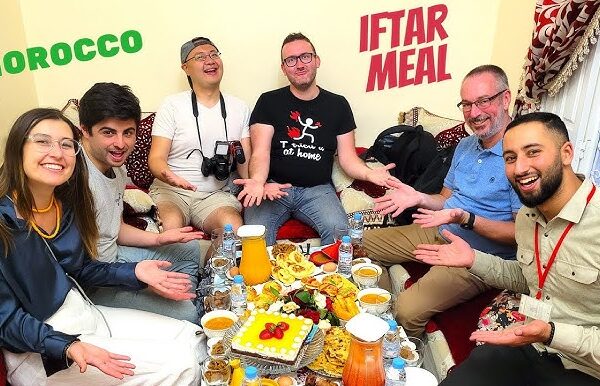
Iftar, the meal that breaks the fast at sunset, is a highlight of Ramadan Travel in Morocco. Traditionally, it begins with dates and milk or water, following the example of the Prophet Mohammed. This is followed by a rich, warming harira soup—a tomato-based lentil and chickpea stew infused with cilantro, lemon, and traditional spices. Other beloved staples include:
-
Chebakia: Honey-drenched sesame cookies shaped like flowers, crisp and sweet.
-
Msemen: Flaky, layered flatbread served with honey or jam.
-
Sellou: A nutritious, nutty energy paste made from roasted flour, almonds, and sesame.
-
Fresh fruit juices: Orange or avocado juice provides a refreshing and hydrating treat after a long day of fasting.
Where to Enjoy Iftar
Travelers experiencing Ramadan Travel in Morocco have several options for enjoying Iftar:
-
Cafe Clock (Marrakech/Fes): Offers cultural Iftar dinners with live music and storytelling, perfect for immersive experiences.
-
Luxury riads and hotels: Establishments such as La Mamounia or Riad Yima host elaborate Iftar buffets featuring live oud music and traditional décor.
-
Local invitations: If a Moroccan family invites you to join their Iftar, accept—it’s a gesture of immense hospitality and a chance to experience authentic Moroccan culture.
Alcohol During Ramadan
During Ramadan, alcohol is largely unavailable. Most bars, liquor stores, and even supermarket aisles shut down for the month. A few high-end hotels may serve it discreetly to guests, but visitors should not rely on it. Instead, consider this a chance to embrace Morocco’s famed mint tea, freshly squeezed juices, and other traditional beverages, which are an integral part of Ramadan Travel in Morocco and offer a taste of local life.
City-Specific Guide: Ramadan in Marrakech, Fes & Beyond
Marrakech: The Heartbeat of Ramadan
For travelers experiencing Ramadan Travel in Morocco, Marrakech represents the vibrant heartbeat of the holy month. The city remains highly accessible to tourists during Ramadan, with an estimated 80% of businesses catering to visitors staying open. Major attractions like the Bahia Palace and Majorelle Garden continue to welcome guests, though with slightly reduced hours.
At night, the famous Jemaa el-Fnaa square transforms into a sprawling open-air iftar bazaar. Here, travelers engaging in Ramadan Travel in Morocco can explore dozens of food stalls serving traditional harira, grilled meats, sweets, and other Moroccan delicacies under strings of glowing lanterns. The festive atmosphere, combined with the scent of spices and the sound of musicians, creates an unforgettable sensory experience.
Don’t miss the Tarawih prayers at Koutoubia Mosque, where worshippers fill the surrounding plaza with prayer mats under the stars. For those seeking comfort and luxury, booking a stay at a Marrakech Ramadan hotel, such as Royal Mansour or Riad BE Marrakech, offers private iftar terraces and serene courtyards—perfect for observing local traditions while enjoying modern amenities.
red more: Moroccan Food Guide: 10 Authentic Dishes to Try
Fes: Spiritual Depth in the Medina
Fes offers a more introspective side of Ramadan Travel in Morocco. The ancient medina glows with handmade lanterns, and the haunting call to prayer echoes through narrow alleys. The spiritual energy here is palpable, creating an atmosphere of reflection and reverence.
Visitors can seek out a traditional Fassi iftar in a restored riad, many of which offer multi-course meals featuring regional specialties such as b’stilla (a savory-sweet pigeon pie) and sfenj (Moroccan doughnuts). Experiencing Fes during Ramadan provides a deeper understanding of Moroccan religious traditions and a slower, more intimate connection with the local culture.
Coastal & Rural Morocco: Authentic and Tranquil
In coastal and rural towns like Essaouira and Chefchaouen, Ramadan is observed more uniformly. Fewer restaurants operate during the day, so travelers engaging in Ramadan Travel in Morocco should plan meals around their accommodations. The trade-off is profound: quiet streets, deeper cultural immersion, and genuine interactions with locals.
These areas are ideal for travelers seeking peace, reflection, and a slower pace—perfect complements to the Ramadan spirit. Whether wandering the blue streets of Chefchaouen or strolling along Essaouira’s calm coastlines, Ramadan Travel in Morocco in these regions offers an authentic and serene experience, far from the tourist crowds.
Practical Travel Tips: Planning Your Ramadan Itinerary
and an understanding of local customs. One of the first things to keep in mind is business hours. Most non-tourist businesses close by mid-afternoon, around 3:00 PM, so schedule visits to museums, guided tours, or shopping excursions in the morning. This ensures you make the most of your day while respecting the local rhythm of Ramadan.
Transportation during Ramadan can also be affected. Trains, buses, and grand taxis continue to operate, but delays are common in the hours leading up to iftar as locals rush home to break their fast. For intercity travel, mid-morning departures are ideal. If you are booking organized trips or Ramadan holiday packages Morocco, confirm availability in advance, as some tour operators may adjust schedules during the holy month.
It’s also important to consider travel during Eid al-Fitr, which marks the end of Ramadan. While witnessing Eid celebrations can be culturally rewarding, roads are quieter, and many services operate at minimal capacity. Travelers engaging in Ramadan Travel in Morocco should avoid traveling on Eid day to prevent logistical challenges.
Pros and Cons of Ramadan Travel in Morocco
Like any unique travel experience, Ramadan Travel in Morocco comes with its advantages and drawbacks.
Pros:
-
Fewer crowds and lower prices, thanks to shoulder-season travel.
-
Deep cultural immersion and authentic hospitality.
-
Magical nighttime ambiance with festive energy in streets and squares.
-
Unique access to spiritual traditions and community life not seen at other times of the year.
Cons:
-
Limited daytime dining outside tourist zones.
-
Shorter business and attraction hours.
-
Potential for slower service due to local fatigue from fasting.
-
No alcohol and increased nighttime noise in medinas and squares.
By planning carefully, respecting local customs, and adjusting expectations, travelers can enjoy the full richness of Ramadan Travel in Morocco while minimizing inconveniences.
Conclusion: A Truly Unforgettable Experience
Ramadan Travel in Morocco is not for the faint of heart—but for travelers who are curious, respectful, and open-minded, it is an experience unlike any other. During this sacred month, you will witness a nation united in devotion, generosity, and joy. Streets that were quiet during the day come alive at night with the aroma of traditional foods, the glow of lanterns, and the laughter of families. Engaging in Ramadan Travel in Morocco allows you to sip mint tea with strangers who quickly become friends, taste centuries-old recipes under starlit skies, and feel the profound peace that comes from observing a culture honoring its deepest spiritual values.
This journey is far from a typical vacation. Ramadan Travel in Morocco is as much an inward journey as an outward one—a chance to slow down, reflect, and connect on a human level that transcends language, religion, and cultural differences. Walking through medinas, joining locals for Iftar, or witnessing nightly Tarawih prayers offers travelers unique insights into Moroccan life, forging memories that last a lifetime.
Preparation is key to making the most of your Ramadan Travel in Morocco experience. Pack modest, breathable clothing, brush up on basic Arabic greetings, and approach each interaction with humility and openness. Respect for local customs, patience during the day, and enthusiasm for evening festivities will ensure a smooth and enriching experience.
For those who embrace the spirit of Ramadan with curiosity and respect, Ramadan Travel in Morocco offers not only sightseeing but a transformative journey—a rare opportunity to connect deeply with people, culture, and spirituality. This sacred month leaves travelers with stories, friendships, and memories that endure long after their journey ends, making it a truly unforgettable adventure.
